Omnichannel Commerce Guide for Brand Owners (2026)

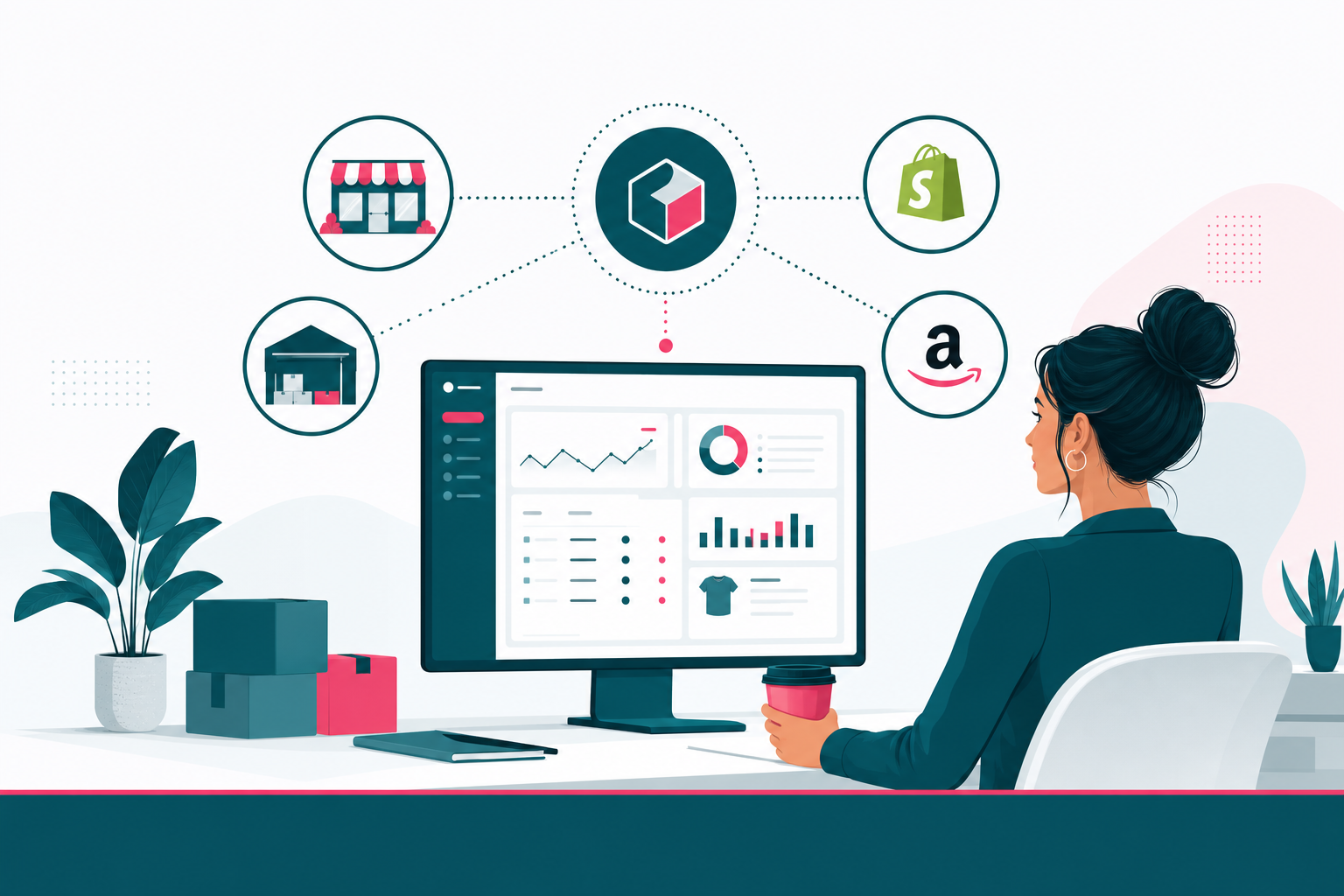
In today’s competitive retail landscape, staying ahead requires more than just a solid product—it demands an exceptional customer experience that seamlessly integrates across all channels. For brand owners, the path to achieving this lies in embracing omnichannel commerce. This approach not only meets the evolving expectations of consumers but also enhances operational efficiency and drives growth. In this blog, we’ll explore key aspects of omnichannel commerce, using real-life examples to illustrate its benefits, and introduce ElintOm, our state-of-the-art omnichannel commerce platform designed to transform your business.
Understanding Order Management in Omnichannel Commerce
Omnichannel order management is the backbone of a successful retail strategy. It involves integrating various sales channels—online, in-store, and mobile—into a unified system. This ensures that inventory is visible and accessible across all platforms, allowing for seamless customer experiences.
Example: Take Zara, the global fashion retailer. Zara’s omnichannel strategy allows customers to purchase items online and pick them up in-store, or vice versa. This flexibility boosts customer satisfaction and optimizes inventory management, reducing stockouts and excess inventory.
The Role of Retail ERP Software in Omnichannel Commerce
Integrating retail ERP software is crucial for managing the complexities of omnichannel operations. An effective ERP system streamlines processes, from order processing and inventory management to customer relationship management (CRM).
Example: Nike uses an advanced ERP system to integrate its e-commerce platform with physical stores. This integration enables Nike to provide real-time inventory updates, personalized marketing, and efficient order fulfillment, creating a cohesive shopping experience for customers.
Multi-Channel Order and Inventory Management
Effective multi-channel order management and multi-channel inventory management are essential for maintaining consistency across various sales channels. These systems ensure that orders are processed accurately and inventory levels are managed efficiently, regardless of the purchase platform.
Example: Amazon’s multi-channel approach allows it to manage vast inventories and process millions of orders daily across its global marketplaces. This capability is powered by sophisticated order and inventory management systems that ensure timely delivery and accurate stock levels.
Marketplace Integration and Ecommerce Platforms
Marketplace integration is another vital component, allowing brands to expand their reach by selling on platforms like Amazon, eBay, and Walmart. Ecommerce integration platforms enable smooth synchronization between your online store and these marketplaces, ensuring consistent product listings and inventory updates.
Example: Samsung leverages marketplace integration to sell its products on multiple platforms while maintaining a unified inventory system. This strategy helps Samsung reach a broader audience and increase sales without compromising on operational efficiency.
The Shift to Omnichannel Commerce Software
Adopting omnichannel commerce software is pivotal for brands aiming to provide a unified shopping experience. This software integrates various sales channels, customer touchpoints, and back-end systems into a single, cohesive platform.
Example: Sephora’s omnichannel strategy exemplifies the use of advanced commerce software. Sephora integrates its online store, mobile app, and physical stores, allowing customers to enjoy a seamless shopping journey, from online browsing to in-store purchases and loyalty rewards.
Introducing ElintOm: Your Omnichannel Commerce Solution
At ElintOm, we understand the challenges of managing a multi-channel retail operation. Our omnichannel commerce platform is designed to streamline your processes, improve customer experiences, and drive growth. Here’s how ElintOm can transform your business:
-
- Unified Order Management: Centralize orders from all sales channels to ensure accurate processing and fulfillment.
-
- Integrated Inventory Management: Maintain real-time visibility and control over your inventory across all platforms.
-
- Advanced ERP Integration: Seamlessly connect with your existing ERP system for enhanced operational efficiency.
-
- Marketplace Integration: Expand your reach by integrating with leading marketplaces without losing control of your inventory.
-
- Enhanced Customer Experience: Provide a consistent and personalized shopping experience across all touchpoints.
Conclusion
Transitioning to an omnichannel commerce strategy is no longer optional—it’s essential for staying competitive in today’s retail environment. By leveraging advanced technologies and platforms like ElintOm, brand owners can create a seamless, efficient, and customer-centric shopping experience. Embrace the future of retail with ElintOm and watch your business thrive.
To learn more about how ElintOm can revolutionize your omnichannel strategy, visit our website elintom.io or contact us for a personalized demo.
Write a Comment
Join the omnichannel commerce discussion. Your email address will not be published.
Comment Submitted
Thank you! Your comment has been successfully received and is awaiting database admin moderation.
Form: Article Comment Form